


Introduction
In titanium dioxide production, effluent treatment is a critical step for final pigment quality and overall process efficiency. You’ve refined chemical dosing and controls—yet still hitting quality barriers? The root cause may be flocculant additives used in acidic effluent clarification, such as HCl-rich streams, which can introduce contaminants that compromise TiO₂ purity.
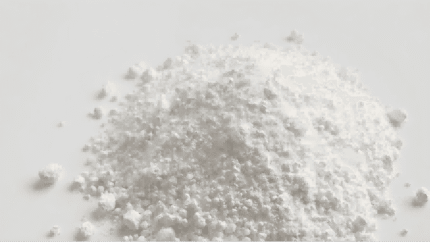
The Problem: Flocculant-Dependent Titanium Dioxide Filtration
Effluent handling drives efficiency in titanium dioxide manufacturing. Conventional approaches depend on polyacrylamide or similar coagulants to clump particulates—yet they breed complications:
Contaminant Carryover:
Extended polymer chains deposit residues that char during firing stages, undermining pigment brilliance and end-product specifications.
Process Overload:
Coagulant-infused solids alter effluent profiles, inflating follow-on neutralization costs and increasing process unpredictability.
Inconsistent Results:
Fluctuations in pH levels, ionic loads, or dosing variations trigger settling failures or uneven particle capture, hampering line speeds and output consistency.
Performance Comparison: Conventional vs. Flocculant-Free Filtration
| Parameter | Conventional Flocculant-Dependent | Dongou Flocculant-Free |
| TiO₂ Recovery Rate | 93% | 99.5% |
| Chemical Additives | Polyacrylamide + Coagulants | None |
| Pigment Purity Risk | Contaminant carryover | Zero chemical residues |
| Effluent Treatment Cost | Higher (chemicals + sludge disposal) | Lower (no chemicals) |
The Solution: Flocculant-Free Precision Separation for TiO₂ Wastewater
Dongou’s flocculant-free TiO₂ filtration system eliminates polyacrylamide and other organic compounds entirely. Using mechanical precision separation technology built for harsh acidic TiO₂ settings, it delivers flawless solid-liquid separation via 0.2µm surface filtration.
How Flocculant-Free Separation Works
Our system utilizes 0.2µm surface filtration technology with sintered polymer filter cartridges. Unlike depth filtration that traps particles within the filter matrix, surface filtration captures all suspended solids on the filter surface. This eliminates the need for chemical coagulants while delivering absolute particle retention.
The integrated automatic backwash function periodically cleans the filter surface, maintaining stable flux without manual intervention—even in acidic TiO₂ effluent streams (pH <2). The system is fully compatible with chloride-process acidic streams and operates reliably under corrosive conditions.
Key Results: Higher Purity, Lower Cost
Field deployments have validated the following outcomes:
Enhanced Clarity and Output: Absent chemical interlopers, native TiO₂ integrity stays intact, boosting recovery rates from 93% to 99.5% with zero pigment flaws.
Effortless Stability: Eliminate additive fluctuations for dependable runs, trimming maintenance efforts by 70% and ensuring smooth acidic stream management.
Simplified Wastewater Treatment: Removing flocculants from the process reduces downstream neutralization costs, sludge disposal volumes, and overall chemical footprint—delivering cleaner, more sustainable operations.
Proven in Acidic Effluent Treatment: The flocculant-free filtration system has been deployed in chloride-process TiO₂ plants handling HCl-rich wastewater streams. Results consistently demonstrate stable performance under low-pH conditions, with no chemical residue carryover and extended filter service life (2+ years with backwash recovery).
Why Choose Flocculant-Free Filtration
- Superior Purity: Zero chemical residues in final pigment
- Higher Recovery: 99.5% TiO₂ capture vs. 93% conventional
- Lower Maintenance: 70% reduction in manual upkeep
- Cost Savings: Eliminates coagulant chemicals and sludge disposal
- Sustainability: Cleaner effluent with reduced environmental impact
Conclusion
Adopting flocculant-free TiO₂ filtration goes beyond equipment—it means embracing cleaner yields, sustainable practices, and peak performance in pigment operations. The technology is proven, scalable, and ready for deployment in both new and existing TiO₂ production lines.